24 March 2026
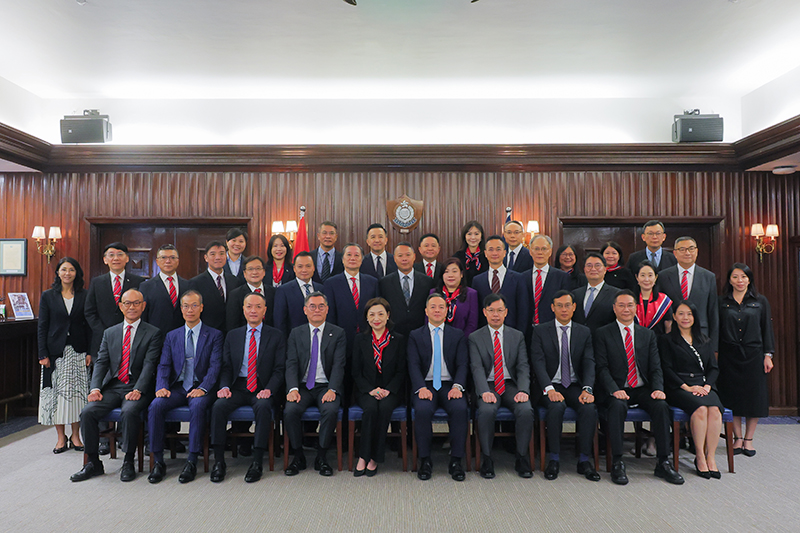
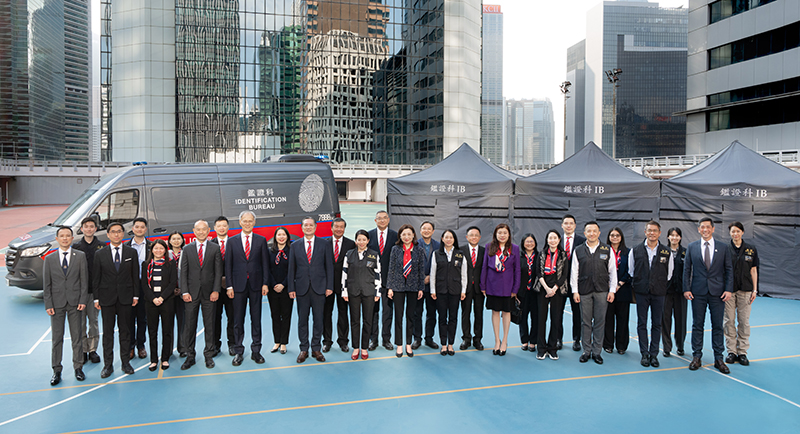
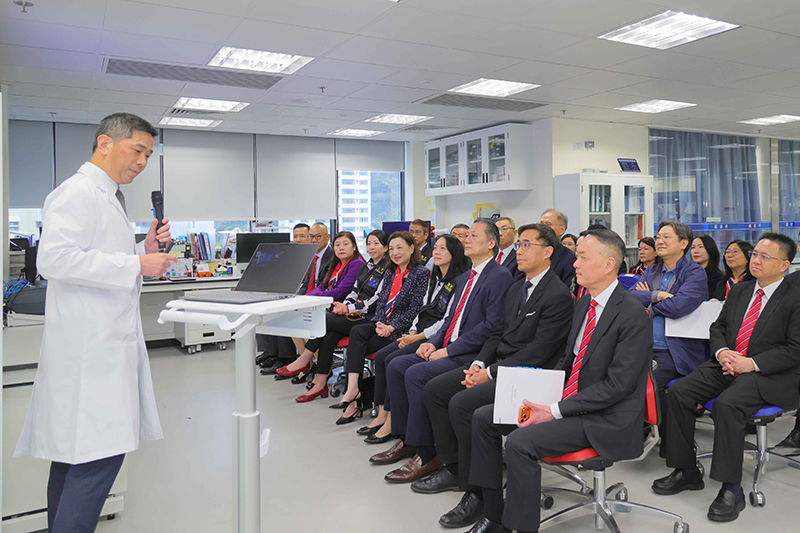
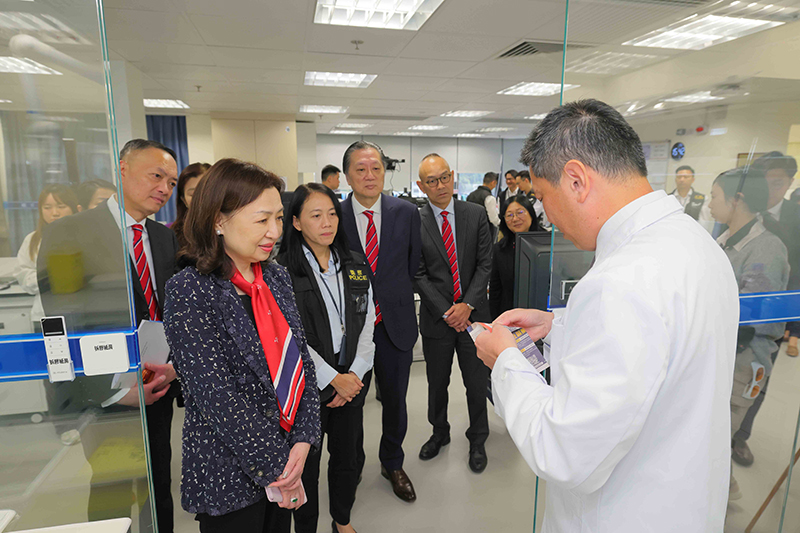
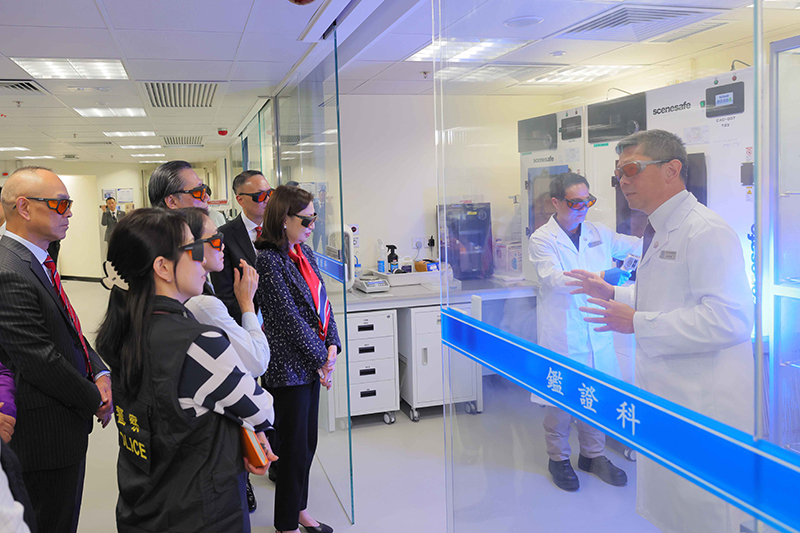
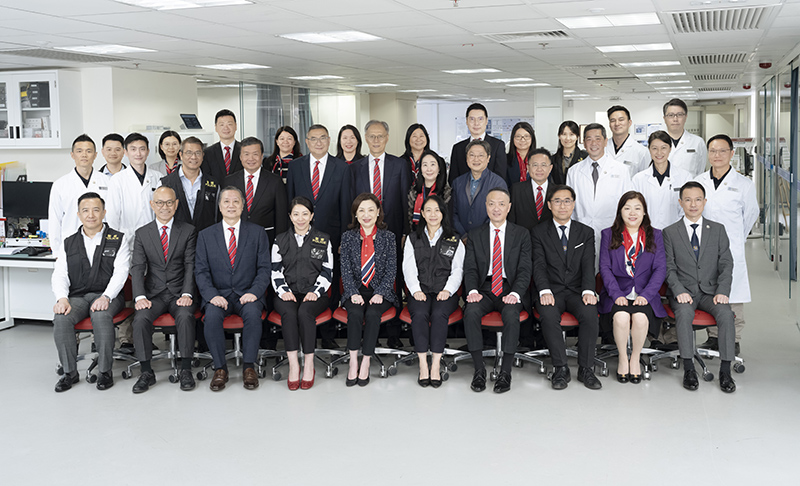
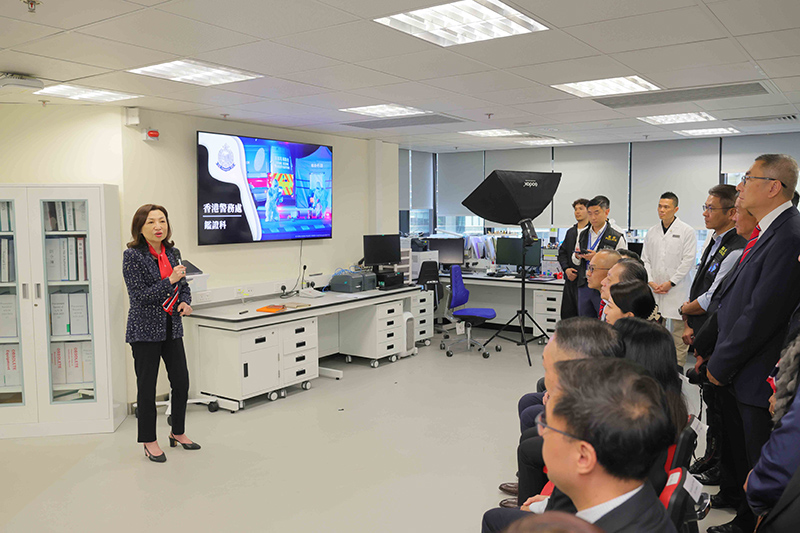
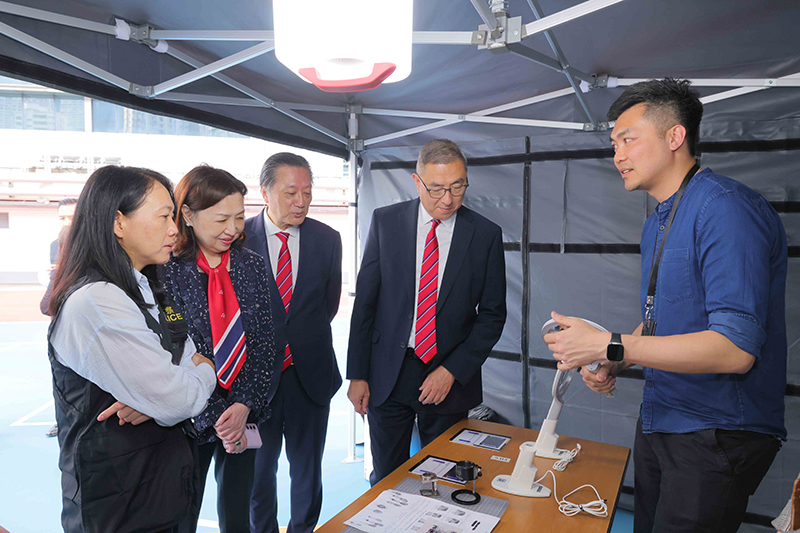
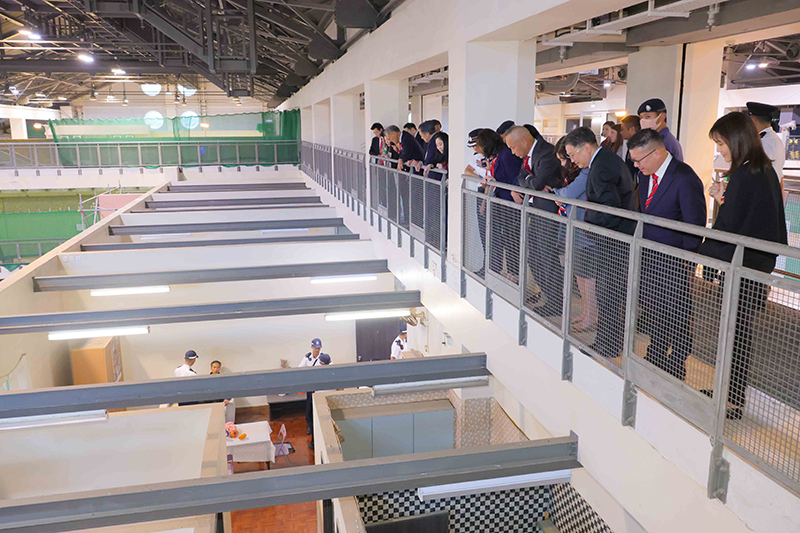
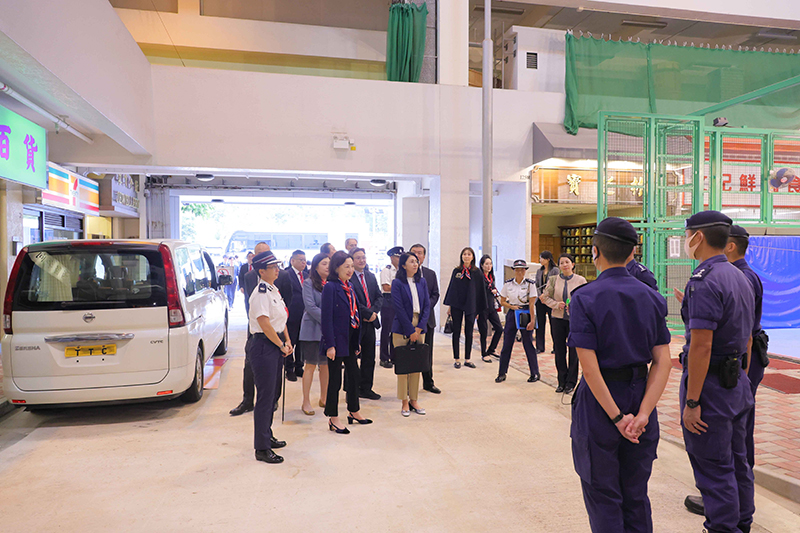
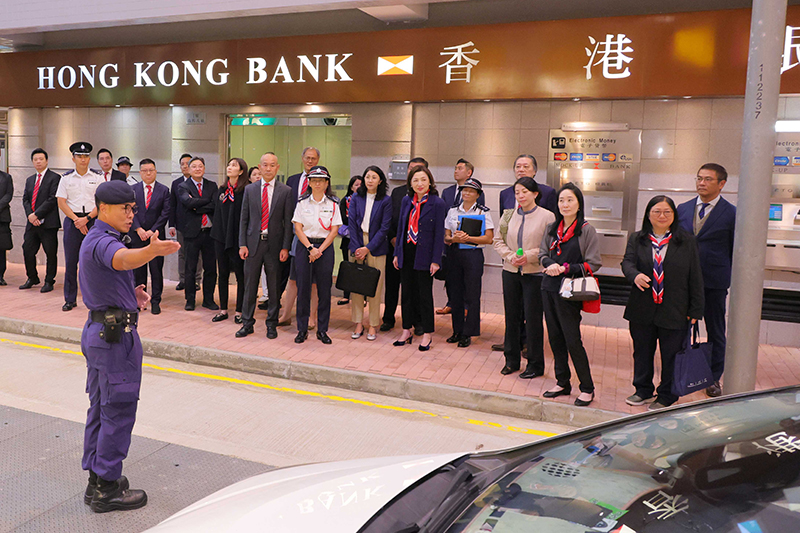
IPCC Chairman Ms Priscilla WONG Pui-sze, SBS, JP, led a delegation of Council Members and Secretariat staff to visit the Identification Bureau (IB) of the Hong Kong Police Force to learn about the latest forensic examination technology and facilities, as well as the challenges faced by IB officers in the course of their duties.
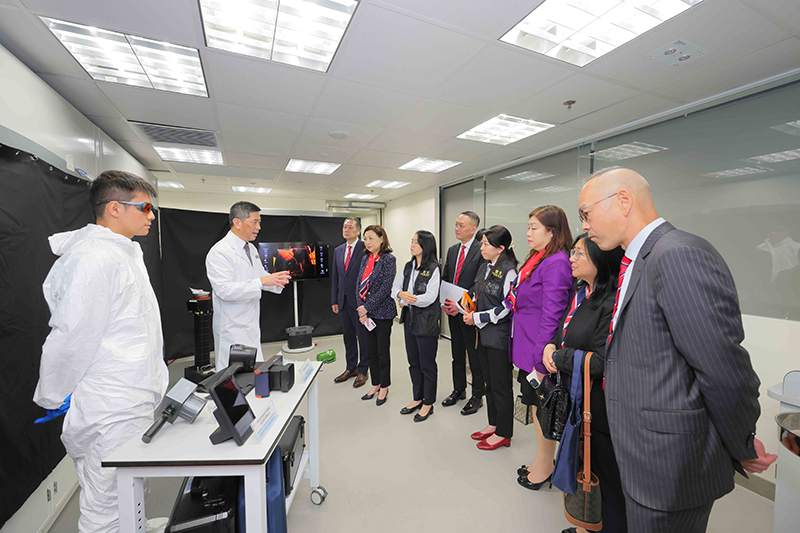
Police representatives briefed IPCC Members on the scope of professional work, structure, training and development of IB. In the Forensic Fingerprint Laboratory, IB officers demonstrated how various precision instruments and fingerprint recovery technology are used to collect evidence from crime scenes and a wide range of exhibits. The representatives also explained how artificial intelligence systems and advanced technology are applied to shorten the time required for fingerprint analysis and fingerprint comparison while enhancing the accuracy of forensic examination work.
Police representatives then led IPCC Members to visit the Crime Scene Investigation Mobile Laboratory. They introduced how IB officers use the mobile laboratory to collect and examine evidence at serious crime scenes, allowing them to quickly obtain preliminary results, thereby expediting suspect identification and improving the efficiency of criminal investigation.
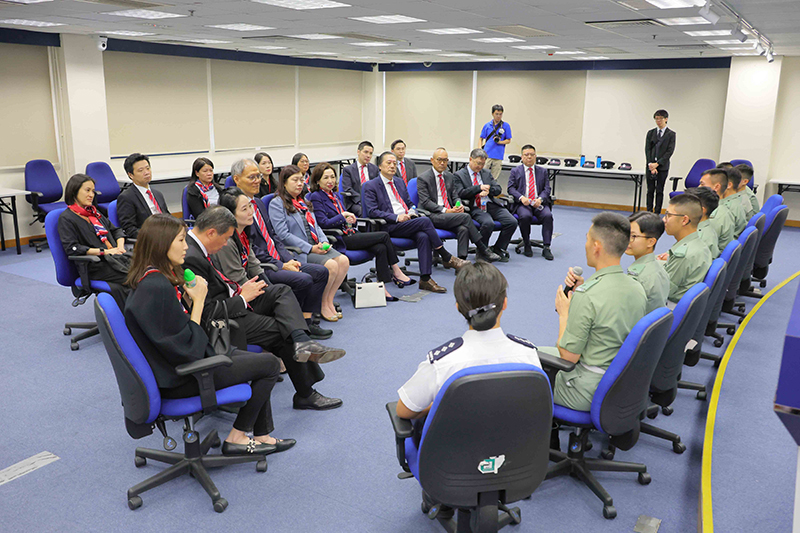
During the visit, IPCC Members exchanged views with IB officers to understand the difficulties and challenges they face when working at complex crime scenes. IPCC Members encouraged IB officers to continue applying their professional knowledge and leveraging technology to obtain evidence from crime scenes and seized exhibits, thereby helping to bring offenders to justice as swiftly as possible and working together to safeguard the law and order of Hong Kong.
IPCC Chairman Ms Priscilla WONG Pui-sze said, “In a society governed by the rule of law, ‘evidence’ is the cornerstone for clarifying facts and upholding justice. Under heavy workloads and great responsibilities, IB officers work tirelessly to find conclusive evidence to help solve cases. Likewise, the IPCC examines complaint cases under the principle of ‘strictly on the basis of fact and evidence, honestly, without fear or favour’, striving to ascertain the facts and uphold justice.”
24 October 2025
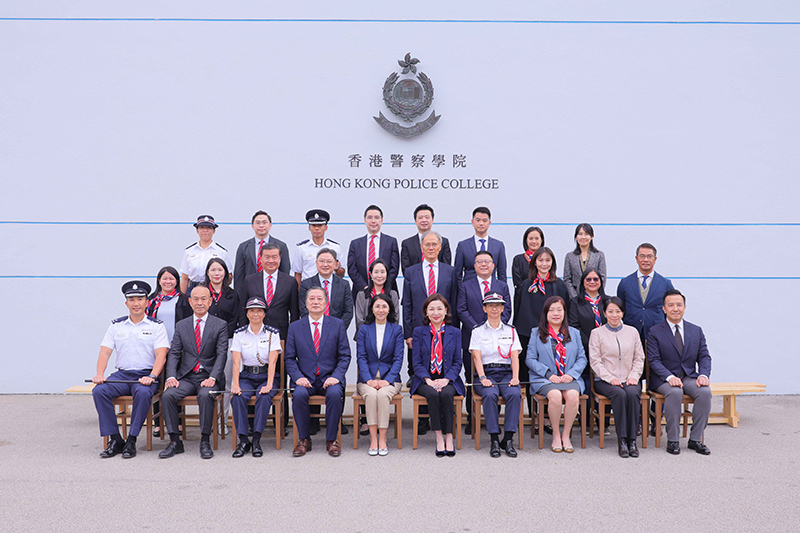
An IPCC delegation of Members and Secretariat staff, led by IPCC Chairman Ms Priscilla WONG Pui-sze, SBS, JP, went to the Hong Kong Police College (the College) to learn about the latest police training programmes and facilities.
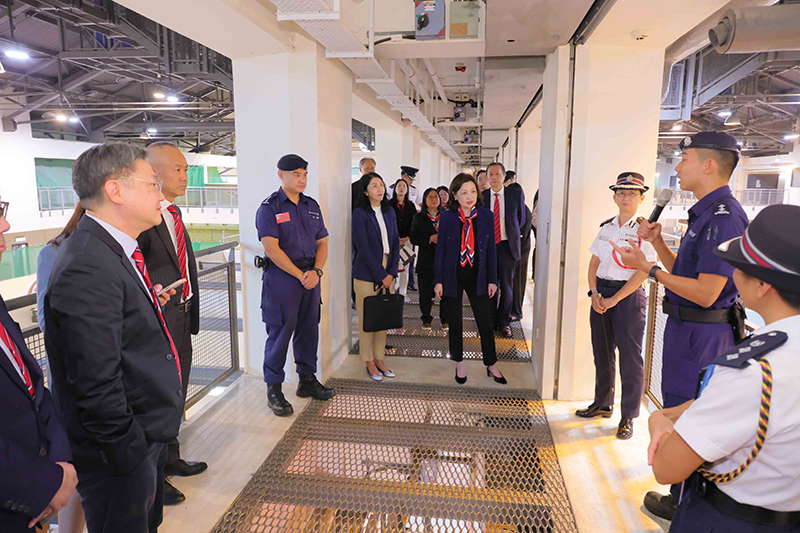
Police representatives introduced to IPCC Members the history, organisational structure and policing teaching philosophy of the College. Police representatives also arranged for Members to visit the Tactical Training Centre, demonstrating how police trainees are taught to handle domestic violence cases and traffic offences in simulated settings. During the visit, police representatives provided a detailed overview of the College’s foundation training programmes. Part of which have been covered with the Service Quality Improvement Initiatives proposed by the IPCC, including recommendations for police officers to enhance the use of Body Worn Video Cameras when handling confrontational situations, and to utilise Force-issued mobile phones to take photos that clearly show the details of contraventions as evidence when issuing traffic tickets. This facilitates officers to effectively handle situations that may arise in their future duties, thereby reducing unnecessary disputes and complaints.
IPCC Members also went to the mini range in the College to gain a better understanding of the training, decision-making process and criteria for the use of arms and force by police trainees. Police instructors and trainees then exchanged views with Members. The trainees shared their aspirations for joining the police force and their training experiences at the College, while the police instructors outlined the College’s developments in teaching and training in recent years, aimed at preparing police professionals to maintain law and order and safeguard the lives and property of the public. IPCC Chairman and Members gained a deeper understanding of the training and operations at the College, and were pleased to see a group of trainees brimming with enthusiasm, determined to realise their aspirations of safeguarding Hong Kong.
IPCC Chairman Ms Priscilla WONG Pui-sze said, “The two-tier police complaints system in Hong Kong ensures that both complainants and police officers being complained against are treated fairly and impartially. As the second tier of the system, the IPCC remains committed to examining each complaint ‘strictly on the basis of fact and evidence, honestly, without fear or favour’. Through observations from complaints vetting, the IPCC also proposes a range of Service Quality Improvement Initiatives (SQIIs) to the police, and we are pleased to see that the police have incorporated the SQIIs into their training programmes. The SQIIs help not only enhance the service quality of the police but also strengthen public confidence in the police.”
29 September 2025
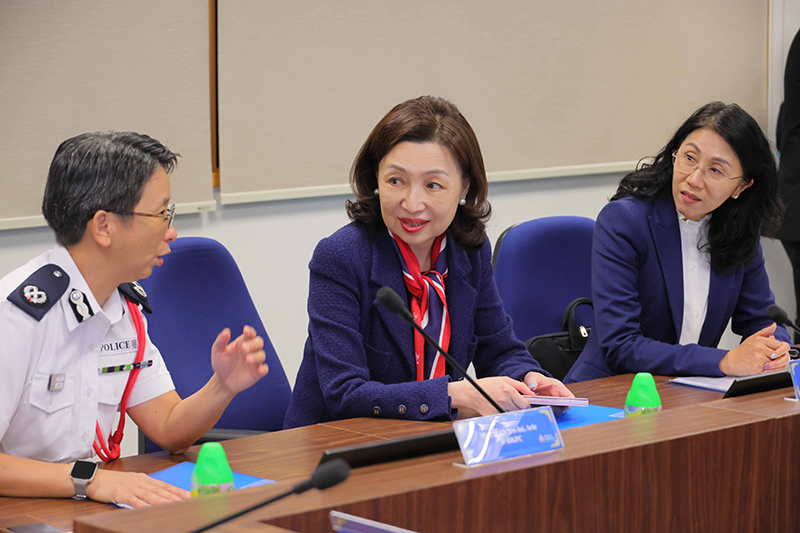
Ms Priscilla Wong Pui-sze (Council Chairman), together with Members and Secretariat staff, attended the annual luncheon with the Commissioner of Police and senior management of the police force to exchange views on complaints handling and enhancements in police service quality, working together to uphold a fair and impartial two-tier complaints system.